Successful real estate investing starts long before a purchase is made. While pricing and timing often get the most attention, long-term performance is shaped by something more fundamental: the underlying market conditions.
Understanding real estate market fundamentals helps investors evaluate risk, anticipate demand, and make decisions that hold up across market cycles. Here are the core factors every residential investor should consider before investing.
1. Population Growth and Migration Trends
Population growth is one of the strongest indicators of housing demand. Markets that consistently attract new residents tend to support:
- Ongoing rental demand
- Lower vacancy risk
- Greater long-term relevance
Sustainable growth matters more than rapid spikes. Steady in-migration creates a reliable base of renters and homeowners over time.
2. Employment and Economic Diversity
A market supported by multiple industries is generally more resilient than one dependent on a single employer or sector. Diverse job bases help:
- Stabilize housing demand during economic shifts
- Expand the tenant pool
- Reduce exposure to industry-specific downturns
For residential investors, economic balance is a key component of long-term stability.
3. Housing Affordability
Affordability plays a direct role in rental performance. When housing costs align with local incomes:
- Renters are more likely to stay longer
- Occupancy tends to remain strong
- Demand is less sensitive to short-term market changes
Markets that become too expensive too quickly often experience higher turnover and volatility.
4. Rental Demand and Tenant Profiles
Understanding who rents in a market is just as important as how many. Strong residential markets typically support a mix of:
- Families
- Working professionals
- Long-term residents
Properties that meet everyday living needs, such as space, privacy, and modern layouts, tend to perform more consistently across tenant types.
5. Infrastructure and Community Investment
Infrastructure improvements, schools, and local services contribute to long-term housing demand. Markets that continue to invest in roads, utilities, and community resources often see:
- Stronger neighborhood desirability
- More stable property values
- Sustained residential interest
Infrastructure signals commitment to growth and livability.
6. Supply and New Development
Balanced housing supply is critical. Too little supply can push prices beyond affordability, while too much can soften rents. Healthy markets maintain:
- Measured development
- Alignment between supply and demand
- Consistent absorption over time
New construction that meets current living expectations often supports stronger long-term performance.
Why Fundamentals Matter More Than Timing
Market timing can be unpredictable. Fundamentals, on the other hand, provide clarity. Investors who prioritize demand drivers, economic stability, and livability tend to make decisions that perform well across changing conditions.
Real estate fundamentals help reduce risk by focusing on what sustains demand over the long term.
The TwoTen Perspective
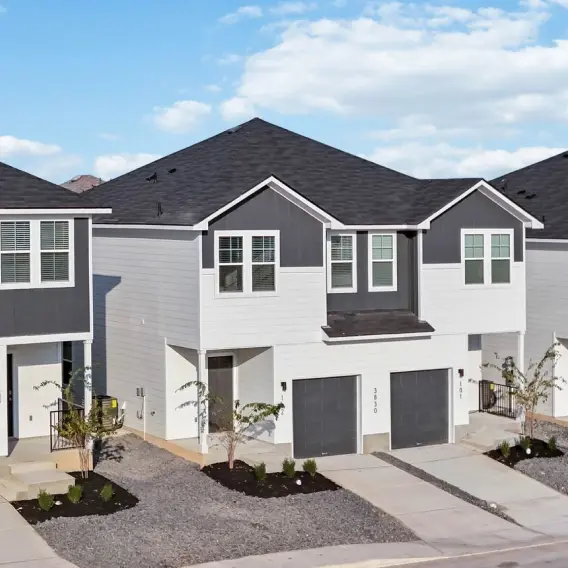
At TwoTen Communities, market fundamentals guide every decision we make. From location selection to home design, our duplex communities are built in areas supported by population growth, employment access, and enduring housing demand.
By focusing on fundamentals rather than short-term trends, we aim to create residential opportunities positioned for consistent occupancy and long-term value.
Learn more about how our approach aligns with long-term residential demand.